Discover plant-based iPhone cases designed to reduce waste while delivering reliable protection. From compostable materials to plant-based blends, these cases emphasize sustainability without sacrificing grip or style. This guide highlights five top options and compares their core features to help you choose an eco-conscious option that fits your device and lifestyle.
| Product | Phone Compatibility | Key Benefit |
|---|---|---|
| LOAM & LORE Biodegradable iPhone 15 Case (Mint) | iPhone 15 | Zero waste, plant-based materials |
| GranolaGear Eco-Friendly iPhone 17 Case (Alpine Snow) | iPhone 17 | Compostable, plastic-free |
| GranolaGear Eco-Friendly iPhone 17 Pro Case (Black Stone) | iPhone 17 Pro | Plant-based, compostable protection |
| GranolaGear Eco-Friendly iPhone 15 Case (Pink Sands) | iPhone 15 | Plant-based, EN 13432/ASTM D6400 |
| LOAM & LORE Biodegradable iPhone 16 Case (Mint) | iPhone 16 | Zero waste, durable yet slim |
LOAM & LORE Biodegradable iPhone 15 Case — Mint
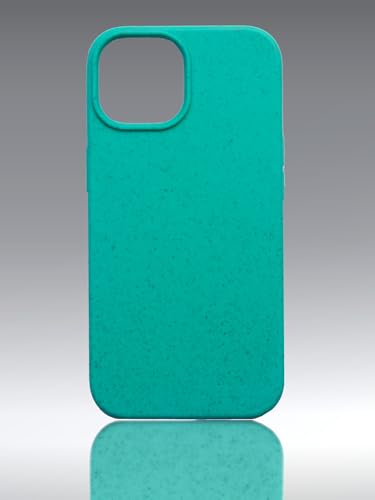
Zero waste design uses plant-based, compostable materials. The case is vegan and environmentally friendly, offering a clean, matte texture for a secure grip. It is thin yet durable, providing effective shock absorption without adding bulk to the iPhone 15.
GranolaGear Eco-Friendly iPhone 17 Case — Alpine Snow

Based in the USA, Granola Gear emphasizes real-life photography of their cases and uses plant-based materials verified for compostability (EN 13432, ASTM D6400). The Alpine Snow color offers a versatile look compatible with many styles, while supporting sustainable manufacturing practices.
GranolaGear Eco-Friendly iPhone 17 Pro Case — Black Stone

Designed for durability with a plant-based, compostable composition. The Black Stone variant reflects a modern, understated aesthetic and aligns with the brand’s commitment to reducing plastic use while protecting devices.
GranolaGear Eco-Friendly iPhone 15 Case — Pink Sands

Another plant-based option that meets compostability standards. Real-life photography demonstrates color accuracy, and the design emphasizes a natural feel that appeals to a broad audience while maintaining plant-based construction.
LOAM & LORE Biodegradable iPhone 16 Case — Mint

Zero waste, plant-based materials deliver vegan protection with a matte finish for a secure grip. The case is slim, focusing on minimal bulk while offering effective impact absorption for the iPhone 16.
Buying Guide: Key Considerations for Plant-Based iPhone Cases
- Material and compostability: Look for cases that specify plant-based or compostable materials and certifications such as EN 13432 or ASTM D6400 to ensure end-of-life recyclability.
- Protection vs. bulk: Assess whether you need thin, everyday protection or higher impact resistance for rugged use. Plant-based cases can balance both with optimized shock absorption.
- Grip and texture: Matte finishes or textured surfaces help prevent drops and improve handling, especially in warm or sweaty conditions.
- Compatibility and fit: Verify device compatibility (e.g., iPhone 15, 16, 17) and ensure precise cutouts for ports, cameras, and buttons.
- Aesthetic options: Choose colors and finishes that suit your style while maintaining environmental benefits. Reputable brands often offer multiple tones inspired by nature.
- Brand transparency: Prefer brands that clearly communicate their materials, sourcing, and compostability certifications to gauge environmental impact.
- Durability vs. sustainability trade-offs: Some plant-based cases emphasize ultra-lightweight design; others prioritize durability and longer lifespans. Consider your usage pattern.
- Support for recycling programs: Some companies participate in take-back or recycling initiatives that align with zero-waste goals.
- Cost and value: Compare price against material quality, longevity, and end-of-life options. Eco-friendly choices can offer long-term value even if upfront costs are higher.
- Warranty and support: Check whether the brand provides warranties or guarantees related to material integrity and performance.