Choosing the right trap primer or p-trap priming valve is essential for preventing sewer gas from entering living spaces and for keeping floor drains functional in occasional-use areas. This article reviews five solid options, highlighting how they prime one or more floor drains, their operating ranges, and notable design features. The selections emphasize reliability, ease of installation, and compatibility with common residential plumbing setups. Read on to compare the top performers and use the buying guide to make an informed choice for your system.
| Product | Brand | Key Features |
|---|---|---|
| PPP P1-500 P-1 Primer Automatic Trap Primer Valve | PPP | United States origin; compact package dimensions; automatic trap priming |
| PPP PR-500 Prime-rite Primer Automatic Trap Primer Valve | PPP | United States origin; compact footprint; designed for automatic priming |
| PROFLO PFTP2500 1/2″ Trap Primer Valve for Up To 3 Floor Drains | PROFLO | Primes up to 3 drains; specific operating ranges; straightforward installation |
| PROFLO PFTPR500 1/2″ Trap Primer Valve for Up To 6 Floor Drains | PROFLO | Primes multiple drains; distribution-capable; wider operating range |
| Fast-Trac TALON TDTP32 Liquid Drain Trap Primer | Fast-Trac | Ready-to-use; biodegradable; lavender scent; odor control |
PPP P1-500 P-1 Primer Automatic Trap Primer Valve
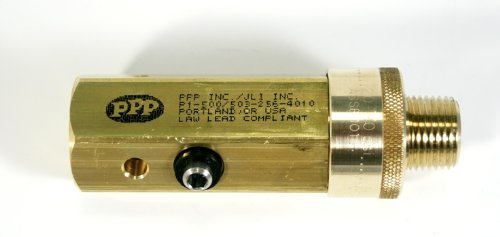
The PPP P1-500 P-1 Primer is designed as an automatic trap primer valve suitable for residential drain protection. The product is manufactured in the United States and ships with a compact profile, making it a practical choice for tight utility spaces. Its stated dimensions suggest easy integration with standard 1/2-inch piping in floor drainage installations. This model emphasizes simple setup and reliable priming without manual intervention, helping maintain an effective seal where drains are intermittently used.
PPP PR-500 Prime-rite Primer Automatic Trap Primer Valve

The PPP PR-500 Prime-rite is another automatic trap primer valve from PPP. With a United States origin, this unit presents a compact footprint in addition to a modest package height and length that facilitate installation in constrained spaces. Its primary function is to deliver priming water to traps as needed to keep seals intact in frequently unused floor drains, contributing to odor control and code compliance in many residential settings.
PROFLO PFTP2500 1/2″ Trap Primer Valve for Up To 3 Floor Drains

The PROFLO PFTP2500 supports priming up to three floor drains. It specifies an activation trigger based on a pressure drop, indicating that a certain flow condition is required to prime the traps. The device operates within a defined pressure range and is compatible with standard 1/2-inch lines. As a multipoint primer, it is well-suited for bathrooms, laundry areas, or utility rooms with several floor drains needing protection against sewer gas and evaporation.
PROFLO PFTPR500 1/2″ Trap Primer Valve for Up To 6 Floor Drains
The PROFLO PFTPR500 expands primer coverage to up to six floor drains, offering a broader priming network. It relies on a distribution unit and sets a higher activation threshold, with an operating range specified from low to moderate pressure. This solution fits larger residential or multi-bath installations and helps ensure consistent trap priming when several drains are in use or infrequently exposed to water flow. Installation considerations include proper distribution alignment and pressure source capacity.
Fast-Trac TALON TDTP32 Liquid Drain Trap Primer

The Fast-Trac TALON TDTP32 is a ready-to-use trap primer liquid designed for direct application from the container. It emphasizes long-lasting efficacy, biodegradability, and a lavender scent that serves as a mild odor deterrent for pests. While primarily aimed at odor control and seal formation, this product is suitable for residential drains that require a simple, maintenance-friendly priming option. It is an accessible choice for homeowners seeking a low-effort priming method without complex installation requirements.
Buying Guide: Key Considerations For Choosing A Trap Primer
Selecting the right trap primer or p-trap priming valve involves balancing several factors. Consider the number of drains you need to service, the available space for installation, and the pressure conditions of your plumbing system. Automatic primers are convenient in areas with sporadic use, but they rely on consistent water supply and a compatible pressure profile. Manual or distribution-based primers can offer more control and scalability for multi-drain setups, but may require more planning and layout work.
- Drain count and distribution: If you have multiple floor drains, a distribution-capable primer (like PROFLO PFTPR500) reduces the number of individual priming devices needed and ensures uniform priming across all drains.
- Operating pressure: Look for a device with an operating range that matches your system’s typical pressure. Inadequate pressure can prevent proper priming, while excessive pressure may cause misfire or wear.
- Activation method: Automatic priming uses water flow or pressure changes to trigger priming; manual or semi-automatic variants provide greater control in some installations.
- Materials and compatibility: PVC and other common plastics are typical in residential primers. Confirm compatibility with existing piping and fittings to minimize hard-to-resolve leaks or compatibility issues.
- Maintenance and lifecycle: Some primers are designed for easy servicing and replacement parts; others are single-use or less serviceable. Consider long-term maintenance costs and availability of replacement components.
Performance considerations include odor control, drain reliability, and the impact on indoor air quality. If odor is a concern or if the bathroom or utility space sees very infrequent use, a primer with robust priming capability and dependable seals is valuable. For larger homes or buildings with multiple baths, a multi-drain capable solution may provide both efficiency and cost savings by reducing install complexity.
In terms of installation, ensure proper alignment with drains and correct pressure supply connections. Follow local plumbing codes for trap primers and traps, and consult a licensed plumber if you are unsure about compatibility with your existing system. The products listed here offer a mix of automatic and multi-drain options, giving you a range of installation strategies to consider.