Discover flowering shrubs that tolerate shade and thrive in USDA Zone 5. This guide highlights five reliable picks, detailing bloom color, growth habit, and growing conditions to help you create year-round interest in partially shaded areas.
| Product | Brand | Zone Range (as listed) | Key Benefit |
|---|---|---|---|
| Blooming & Beautiful Endless Summer Hydrangea | Blooming & Beautiful | 4-9 | Reblooming from summer to fall |
| Girard’s Pleasant White Azalea | Blooming & Beautiful | 5-8 | Large white fragrant flowers |
| Girard’s Crimson Azalea | Blooming & Beautiful | 5-8 | Year-round glossy foliage with deep crimson blooms |
| Southern Living October Magic Ruby Camellia | Southern Living | 7-9 | Ruby blooms from fall to early winter |
| Bottlebrush Shrub | National Plant Network | — | Pollinator-friendly red blooms, versatile in beds and hedges |
Note: Zone ranges are as listed by the suppliers. For shaded areas in Zone 5, select varieties noted for shade tolerance and consider soil pH and moisture to maximize bloom and health.
Endless Summer Hydrangea: Reblooming Beauty

The Original Endless Summer Hydrangea is a deciduous shrub prized for large mop-head blooms and dark green foliage. It reblooms across summer into fall, providing ongoing color whether you plant in partial shade or brighter spots. Soil should be well-draining and slightly acidic to support vibrant bloom color. This cultivar is especially versatile for hedges, foundations, or mixed borders and can be an anchor plant in shade gardens where consistent flowering is desired.
Key features: deciduous habit, reblooming characteristics, large mop-head blooms, adaptable to partial shade with proper drainage. The plant can function as a focal point or a structural element in a shaded landscape when paired with contrasting textures.
Girard’s Pleasant White Azalea

Girard’s Pleasant White Azalea is an evergreen shrub known for large white fragrant flowers and glossy foliage. It blooms in late spring with potential for rebloom later in the season, offering persistent interest in a shaded border or woodland garden. The plant is well-suited for foundation plantings and can serve as a bright, low-maintenance focal point in Zone 5 gardens. Maintain acidic, well-drained soil for best bloom quality and foliage color.
Key features: evergreen shrub, white fragrant blossoms, late spring bloom with potential encore, compact to medium height and broad evergreen foliage for year-round structure.
Girard’s Crimson Azalea

Girard’s Crimson Azalea is an evergreen shrub known for its striking rosy-red blooms and year-round glossy foliage. It provides strong spring spectacle and can work well in shaded beds, borders, or woodland settings. Its compact habit makes it suitable for foundation plantings and containers in Zone 5 gardens. Refrain from heavy pruning in the fall, and place in spots with dappled shade for best bloom and leaf color.
Key features: evergreen habit, large crimson flowers, robust growth in shade, adaptable for borders and containers.
Bottlebrush Shrub: Red Blooms for Pollinators

The Bottlebrush Shrub by National Plant Network features red bloom spikes that attract bees and butterflies from fall through late spring. It tolerates a range of soil types with good drainage and consistent moisture, making it a versatile choice for mixed borders, hedges, or edible landscapes near shaded beds. Its moderate size makes it suitable for smaller yards or as a backbone plant in shade gardens, where seasonal color is desired without heavy maintenance.
Encore Azalea Autumn Royalty
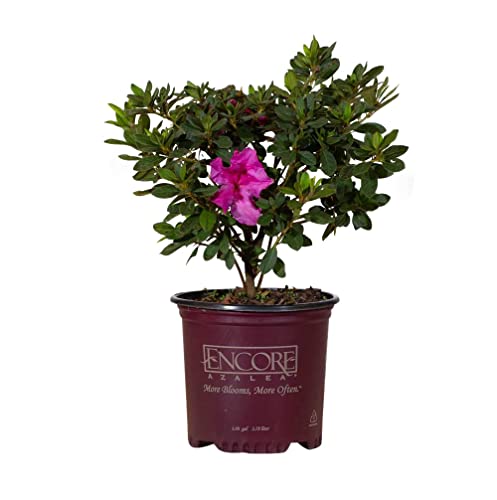
Encore Azalea Autumn Royalty is a reblooming purple azalea that adds months of color in sun to partial shade. Its large flowers emerge in pinks and purples with a dense growth habit, making it an excellent focal plant or hedging option for shaded entries and borders. The evergreen foliage provides year-round structure, and the plant generally requires minimal pruning beyond after-flowering shaping. Zone compatibility supports Zone 5 landscapes, though specific site conditions should be optimized for best bloom.
Girard’s Pleasant White Azalea (Revisited)
Note: This entry reaffirms the availability of white azalea varieties with evergreen foliage that perform well in partially shaded zones. They offer a fragrant floral display, with potential rebloom depending on cultivar and seasonal conditions. For Zone 5 shade gardens, pair with acidic, well-draining soil and protect from harsh winter winds to maximize bloom potential.
Buying Guide: Key Purchase Considerations for Zone 5 Shade Shrubs
- Shade tolerance: Verify that the cultivar explicitly accepts partial to full shade. Light exposure recommendations on product pages guide site-specific placement.
- Zone compatibility: Zone 5 is cold-tensitive for many shrubs. Choose varieties listed for zone 5 or lower minimum zones, and be mindful of winter protection needs.
- Bloom timing and color: Consider bloom season length and color progression to maintain interest across the growing season in shaded areas.
- Soil and moisture: Most flowering shrubs prefer well-draining soil with slightly acidic pH for optimum bloom. Mulching helps maintain moisture in shade.
- Maintenance needs: Look for low-prune or minimal-prune varieties if you want reduced upkeep. Reblooming types provide extended color but may require light shaping.
- Physical garden role: Use taller shrubs or layered combinations to create vertical interest, with shorter plants at the front for a balanced display in shade.
- Wildlife appeal: Many of these shrubs attract pollinators; plan plant placement to support beneficial insects while also meeting your design goals.
- Container feasibility: Some smaller cultivars are suitable for containers, enabling flexible placement in shaded patios or decks.
- Pest and disease resistance: Check cultivar notes for resistance traits to common pests in Zone 5 climates and adjust care accordingly.
Overall, the selection above focuses on flowering shrubs that can bring color and texture to shaded Zone 5 gardens, with considerations for bloom longevity, maintenance, and winter resilience. When choosing, mix evergreen and deciduous options to maintain year-round structure and seasonal interest.