For homeowners seeking to maximize rainwater quality, first flush diverters protect storage tanks by diverting the initial runoff. This article highlights five top-rated first flush and rainwater collection products, detailing how each kit works, its design advantages, and practical considerations for selection and use in American home setups.
| Product | Brand | Image | Key Benefit |
|---|---|---|---|
| Rain Harvesting First Flush Downspout – First Flush Diverter Kit | Rain Harvesting |  |
Suits 3″ Round Pipes; auto-drain feature |
| Rain Harvesting First Flush with Catch-All Tee | Rain Harvesting |  |
Catch-All Tee for high water quality |
| Rain Harvesting First Flush Carrot 3″ | Rain Harvesting |  |
Compact, chamberless design; 20L/5 gal diversion |
| Collapsible Rain Barrel – 53 Gallon | XGNT | 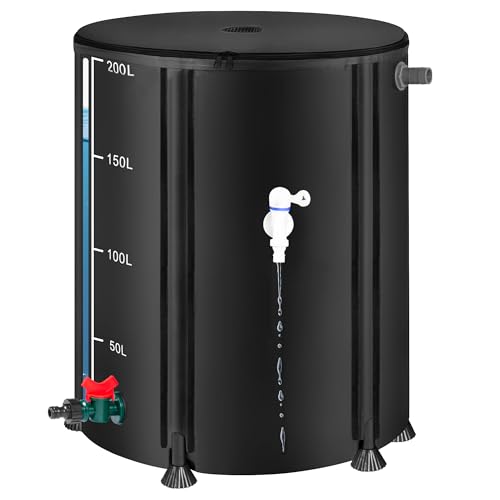 |
Portable, collapsible storage; durable construction |
| Rain Barrels to Collect Rainwater – 53 Gallon | YAFF |  |
Gutter-based collection with spigots and overflow kit |
Rain Harvesting First Flush Downspout – 3″ Pipe Diverter
The First Flush Downspout Diverter is designed to protect tank water by diverting the initial roof runoff away from the storage line. It is paired with an automatic draining mechanism that slowly releases water, making the chamber ready for the next rainfall. The kit includes a Catch-All Tee, and the setup requires only 3″ pipe to complete the chamber. This configuration supports standard 3″ round downpipes, helping homeowners install quickly and without specialized parts.
Rain Harvesting First Flush with Catch-All Tee – 4″ Diverter
This first flush diverter incorporates a Catch-All Tee designed to ensure the highest quality water reaches the tank by preventing water from bypassing the flush. The system features an auto-draining chamber with a slow release valve, keeping the first flush ready for the next storm. The Catch-All Tee helps minimize solids entering the storage line, which can reduce maintenance and improve tank clarity over time.
Rain Harvesting First Flush Carrot 3″ System
The Carrot 3″ system uses a compact, chamberless design to divert the initial roof runoff. It is capable of diverting approximately 5 gallons (20 liters) from the first flush and then automatically returns to normal operation. A Catch-All Tee helps ensure that only clean water reaches the rest of the system, making it a practical choice for medium-sized catchment areas with moderate pollution and simpler installation needs.
Collapsible Rain Barrel – 53 Gallon
The collapsible rain barrel from XGNT offers portability and ease of storage when not in use. Constructed from durable PVC material with a reinforced glass fiber frame, it resists warping and tipping and stays stable in various weather conditions. The kit includes a spigot system, an overflow design, and a top mesh to keep debris out. Its collapsible design is ideal for households seeking a lightweight, space-saving solution for temporary or seasonal rainwater collection.
Rain Barrels to Collect Rainwater – 53 Gallon
The YAFF rain barrel system emphasizes stable gutter-based collection, reinforced by glass fiber support rods and a circular frame to minimize wobble and tipping. The design supports a seamless, leak-proof faucet installation for easy dispensing and real-time capacity monitoring through an optional acrylic hose. The model includes an overflow kit, making it suitable for larger rainfall events and ensuring safe water handling and storage during peak seasons.
Buying Guide: First Flush and Rainwater Tank Systems
- System type: Decide between full first flush diverter kits with built-in drainage versus compact, chamberless cartridges. Larger systems typically offer higher water quality and are better for bigger roofs, while compact options suit smaller setups.
- Pipe compatibility: Check the inlet diameter and pipe shape (3″ vs 4″ round pipes) to ensure a smooth installation with the existing gutter and downspouts.
- Auto-drain capability: An auto-drain feature reduces maintenance by resetting the diverter after each rainfall, keeping it ready for the next runoff event.
- Catch-All Tee function: A Catch-All Tee helps prevent solids from passing into the main storage line, which can prolong tank life and reduce clogs.
- Durability and materials: Look for UV-resistant, corrosion-resistant plastics and sturdy frames for weather resilience and long-term use.
- Portability and storage: If space is limited, consider collapsible barrels or lighter kits that are easy to store when not in use, especially in climates with irregular rainfall.
- Water quality goals: For households prioritizing high-quality water, prioritize systems with effective initial-flush separation and debris control, plus easy monitoring of water level and flow.
- Maintenance considerations: Favor models with clear drainage paths, accessible fittings, and simple cleaning procedures to minimize effort over time.
- Expansion potential: If future capacity is a concern, choose systems that can be scaled or integrated with larger tanks and additional diverting options.
- Cost vs benefit: Compare initial installation costs with expected water savings and the added lifetime maintenance to determine overall value.